
A Complete Guide to Choosing the Right Material for Outdoor Signs
Outdoor signage is only as effective as the material it is built from. While design and messaging often receive the most attention, material selection ultimately determines how well a sign performs over time in real environmental conditions.
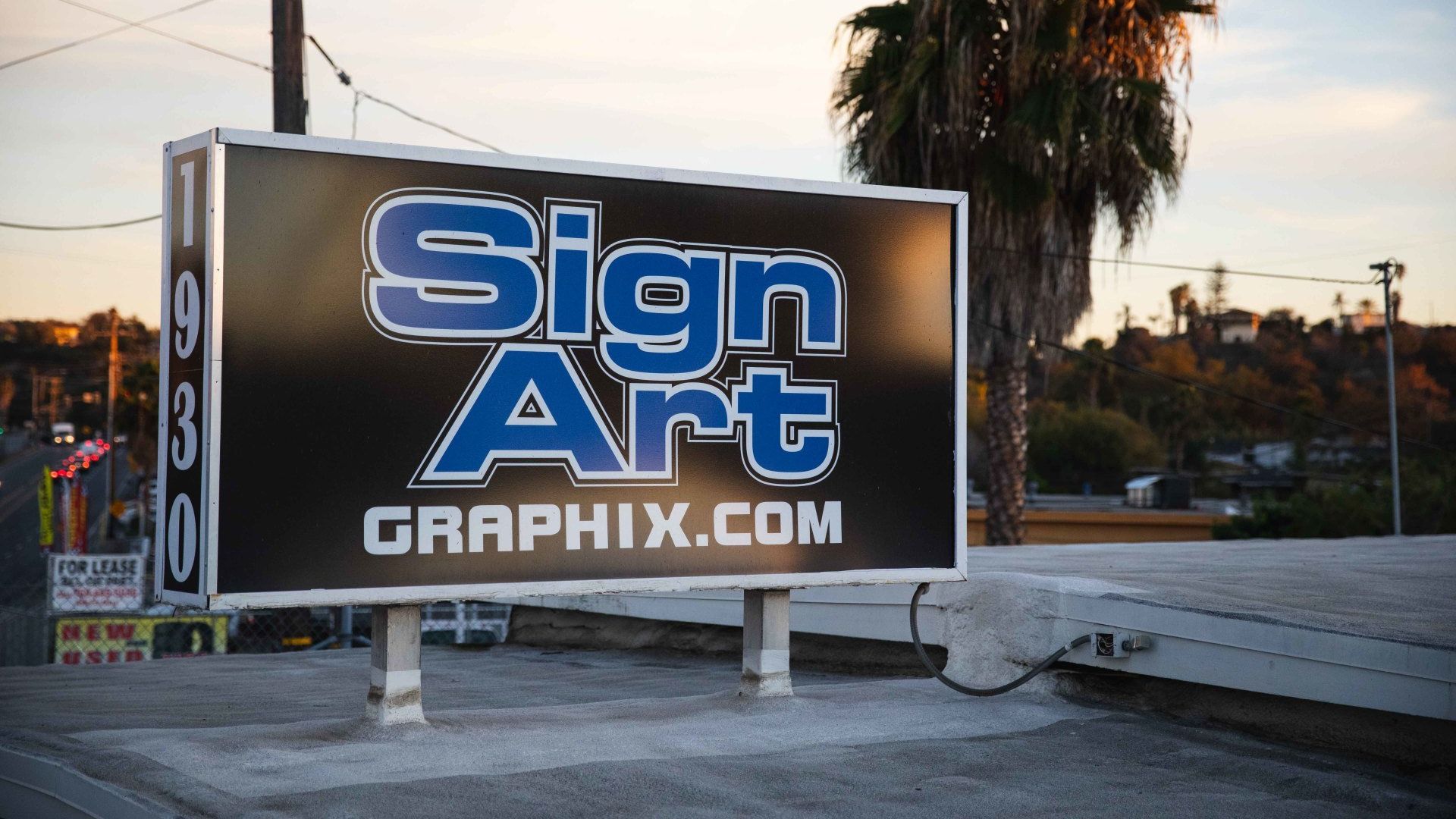
At SignArt Graphix, material selection is treated as a foundational part of the production process. With extensive experience in custom signage, large-format printing, and outdoor applications, the team understands how different substrates respond to sun exposure, moisture, wind, and temperature fluctuations over time.
Defining the intended lifespan of the sign
The first consideration in selecting outdoor signage materials is not aesthetic but functional duration. A sign intended for temporary promotion requires a fundamentally different material than one designed for long-term exterior branding. Misalignment between intended use and material choice is one of the most common causes of premature sign failure.
Common outdoor signage materials and their applications
Outdoor signage materials vary significantly in durability, cost, and application suitability.
Aluminum composite panels are widely used for permanent signage due to their structural stability and resistance to corrosion. They maintain their form and appearance over extended periods, making them suitable for storefronts and long-term brand installations.
PVC substrates provide a balance between durability and cost efficiency. They offer a smooth printing surface and moderate weather resistance, making them appropriate for semi-permanent signage where full structural longevity is not required.
Corrugated plastic is typically used for short-term applications such as yard signs and event signage. While cost-effective and lightweight, it is not intended for prolonged exposure to harsh outdoor conditions.
Vinyl banners remain one of the most flexible signage solutions, particularly for promotional use. They are easy to install and transport, though they are generally considered temporary rather than permanent installations.
The role of UV protection in outdoor durability
Material selection alone does not determine longevity. Print protection, particularly UV resistance, plays a critical role in how signage performs over time.
Without UV-stable inks and protective laminates, signage is susceptible to fading, contrast loss, and overall visual degradation. These effects can occur gradually, often before structural failure becomes apparent.
For this reason, UV vinyl and protective coatings are standard considerations in professional outdoor signage production, particularly in environments with high sun exposure.
Understanding weather resistance beyond marketing terms
The term “weather-resistant” is often used broadly, but actual performance depends on a combination of factors rather than a single material attribute.
Durability is influenced by substrate selection, print quality, finishing processes, and installation method. Even high-grade materials can underperform if any part of the production or mounting process is not executed correctly.
Effective outdoor signage requires alignment across all of these variables to ensure consistent performance under environmental stress.
Selecting the appropriate material based on application
Material selection is ultimately determined by use case. Long-term branding typically requires rigid, weather-resistant substrates, while short-term campaigns may prioritize flexibility and cost efficiency. Most businesses fall somewhere between these two extremes, requiring a balanced evaluation of durability, appearance, and budget.
SignArt Graphix works with clients to assess these variables during the planning stage to ensure the selected material aligns with both environmental conditions and expected lifespan. This approach reduces premature replacement costs and improves long-term signage performance.
Conclusion
Outdoor signage should be evaluated as a long-term investment rather than a short-term production decision. Material selection directly impacts durability, visual consistency, and overall return on investment.
When properly specified and produced, outdoor signage maintains its effectiveness over time without requiring frequent replacement. When it is not, deterioration typically occurs far sooner than expected.