
Choosing the Right Signage Material: A Guide for Businesses

Signage is an essential aspect of any business, serving as a vital communication tool that attracts customers, provides information, and reinforces branding. The choice of signage material can significantly impact your signs' aesthetics and functionality. Here, we offer a comprehensive guide on various signage materials, their applications, and how to choose the right one for your business needs.


1. Vinyl

Overview: Vinyl is one of the most popular materials for signage due to its versatility, affordability, and ease of use. It comes in adhesive-backed sheets or rolls that can be applied to various surfaces.

Applications:

  • Window Graphics: Perfect for promotional messages, store hours, and seasonal decorations.
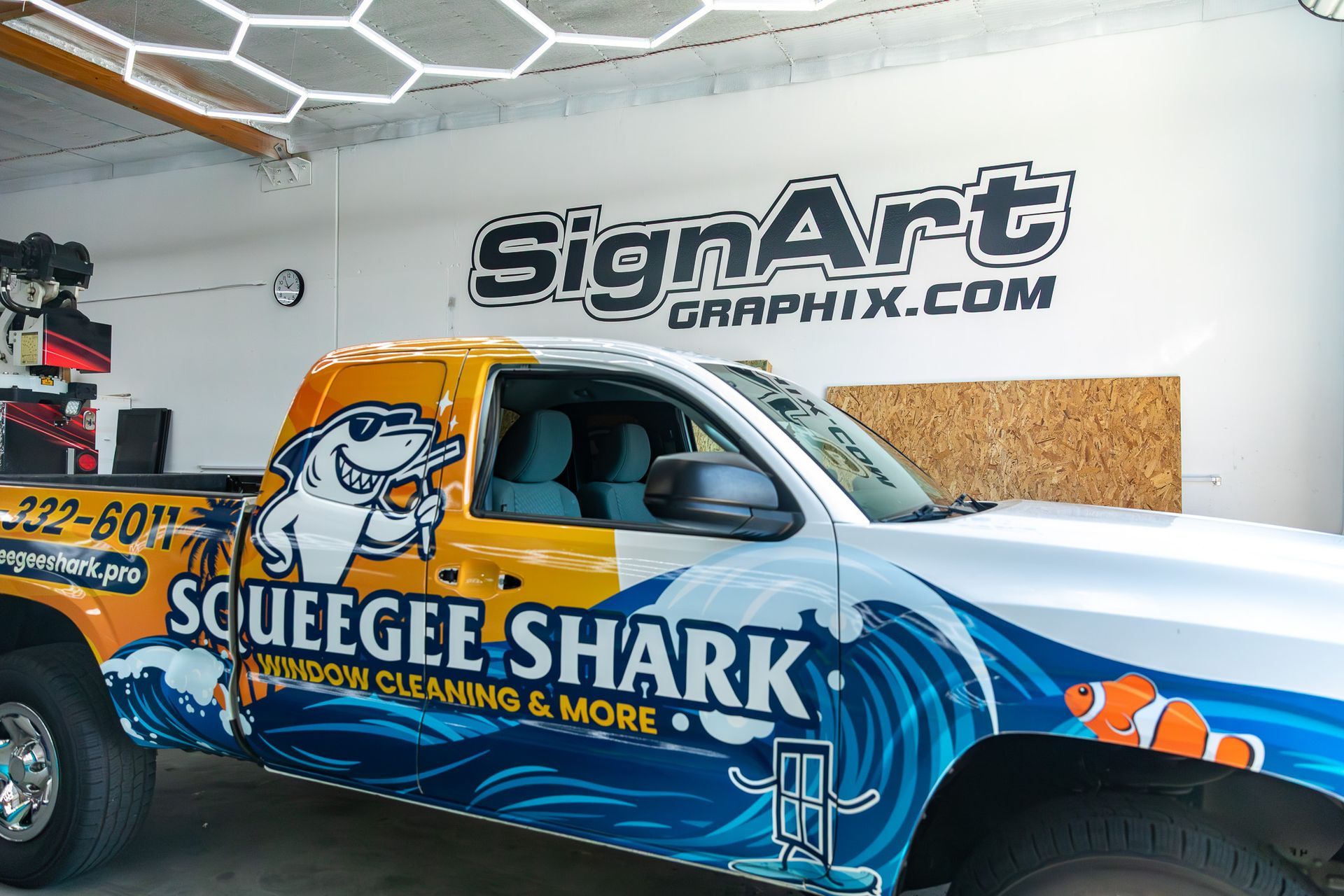
  • Vehicle Wraps: Ideal for turning company vehicles into mobile advertisements.
  • Wall Murals: Great for creating impactful indoor graphics that enhance brand presence.

Benefits:

  • Cost-effective
  • Easy to apply and remove
  • Available in a wide range of colors and finishes


2. Acrylic

Overview: Acrylic, also known as Plexiglass, is a transparent thermoplastic often used as a lightweight alternative to glass. It offers a sleek, modern look.

Applications:

  • Lobby Signs: Commonly used for company logos and office directories.
  • Point-of-Sale Displays: Effective for showcasing products or promotional materials.
  • Illuminated Signs: Works well with LED lighting for eye-catching displays.

Benefits:

  • Durable and weather-resistant
  • High optical clarity
  • Customizable shapes and sizes


3. Metal

Overview: Metal signs, typically made from aluminum, steel, or brass, are known for their strength, durability, and professional appearance.

Applications:

  • Outdoor Signage: Ideal for storefronts, parking lots, and directional signs.
  • Plaques: Suitable for commemorative signs, awards, and recognition.
  • Dimensional Letters: Used for building names and logos.

Benefits:

  • Long-lasting and sturdy
  • Resistant to weather and corrosion
  • Elegant and timeless aesthetic


4. PVC (Polyvinyl Chloride)

Overview: PVC is a lightweight, rigid plastic suitable for both indoor and outdoor use.

Applications:

  • Trade Show Displays: Portable and easy to set up for temporary events.
  • Menu Boards: Commonly used in restaurants and cafes.
  • Real Estate Signs: Effective for property listings and open house notifications.

Benefits:

  • Lightweight and easy to install
  • Versatile for various applications
  • Cost-effective


5. Wood

Overview: Wood signs offer a rustic, classic look and can be crafted from different types of wood, such as pine, cedar, or redwood.

Applications:

  • Business Signs: Suitable for boutique shops, cafes, and hotels.
  • Monument Signs: Often used for residential communities and parks.
  • Informational Signs: Effective for museums, zoos, and nature trails.

Benefits:

  • Unique and customizable
  • Eco-friendly options available
  • Timeless and natural appearance


6. Foam Board

Overview: Foam board is a lightweight material made of a foam core sandwiched between two layers of paper or plastic.

Applications:

  • Indoor Displays: Perfect for presentations, exhibitions, and point-of-purchase displays.
  • Temporary Signage: Ideal for events, sales, and promotions.
  • Photo Backdrops: Used in photography studios and trade shows.

Benefits:

  • Lightweight and portable
  • Easy to cut and shape
  • Affordable and versatile


How to Choose the Right Signage Material

Consider Your Environment:

  • Indoor vs. Outdoor: Materials like metal and acrylic are better for outdoor use due to their durability, while foam board and vinyl are great for indoor applications.

Evaluate Durability:

  • Opt for metal or acrylic that can withstand weather conditions for long-term use. Materials like foam board or PVC may be more suitable for short-term or temporary signage.

Match Your Brand Aesthetic:

  • Choose materials that align with your brand's look and feel. For example, a modern tech company might prefer sleek acrylic, while a rustic café might opt for wooden signs.

Budget Constraints:

  • Balance quality with cost. Vinyl and PVC are budget-friendly options, whereas metal and acrylic, while more expensive, offer greater longevity and a premium look.


Conclusion

Choosing the suitable signage material is crucial for creating compelling and lasting impressions. By understanding the characteristics and applications of various materials, businesses can make informed decisions that align with their branding, budget, and functional needs. Whether you opt for vinyl's versatility, metal's durability, or acrylic's elegance, the suitable signage material can significantly enhance your business’s visibility and appeal.


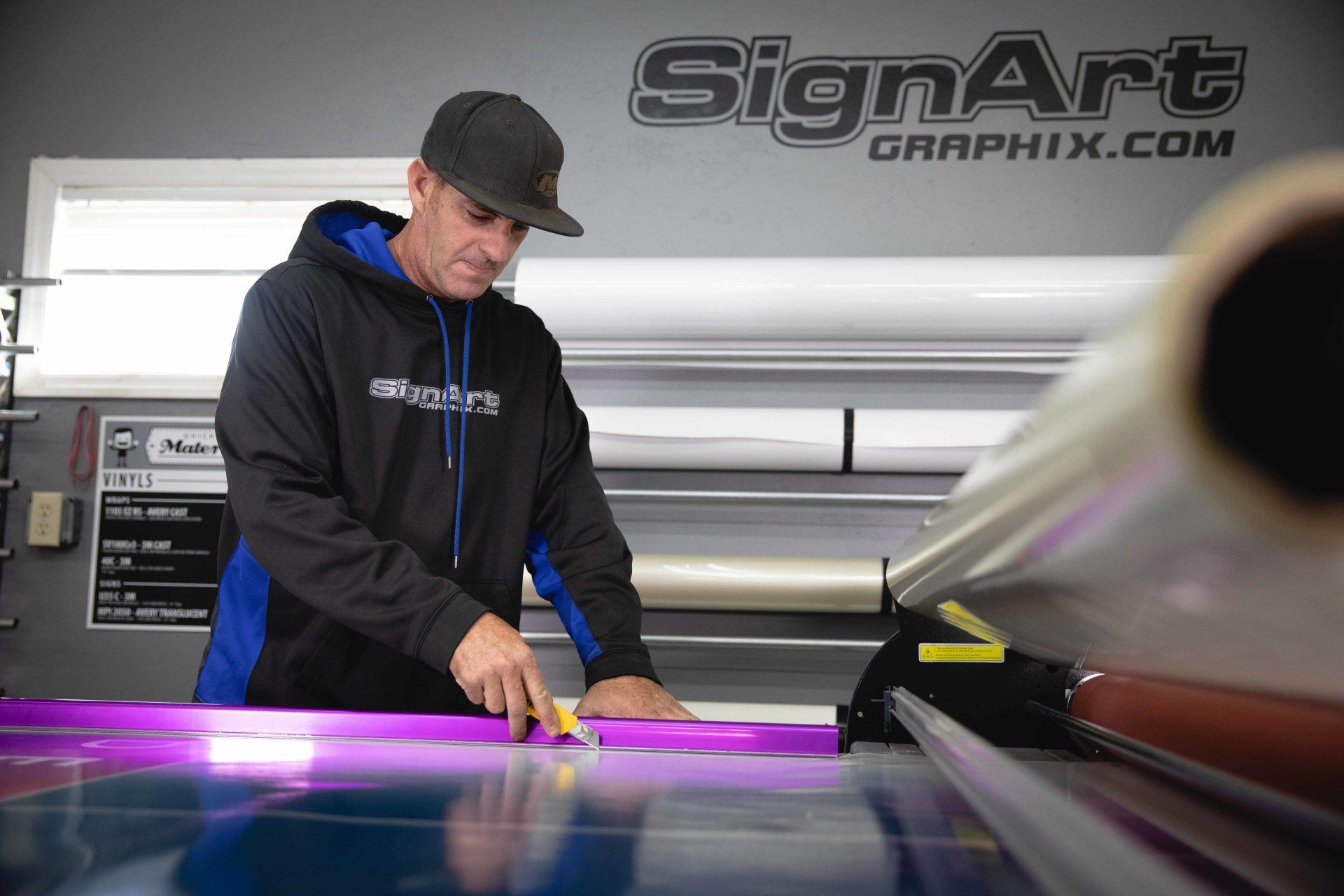
Person operating a large-format printer in a print shop, handling purple vinyl film under bright lights
May 31, 2026
Boost visibility with creative storefront signs, large format prints, and vinyl banners designed to attract customers this spring and summer.
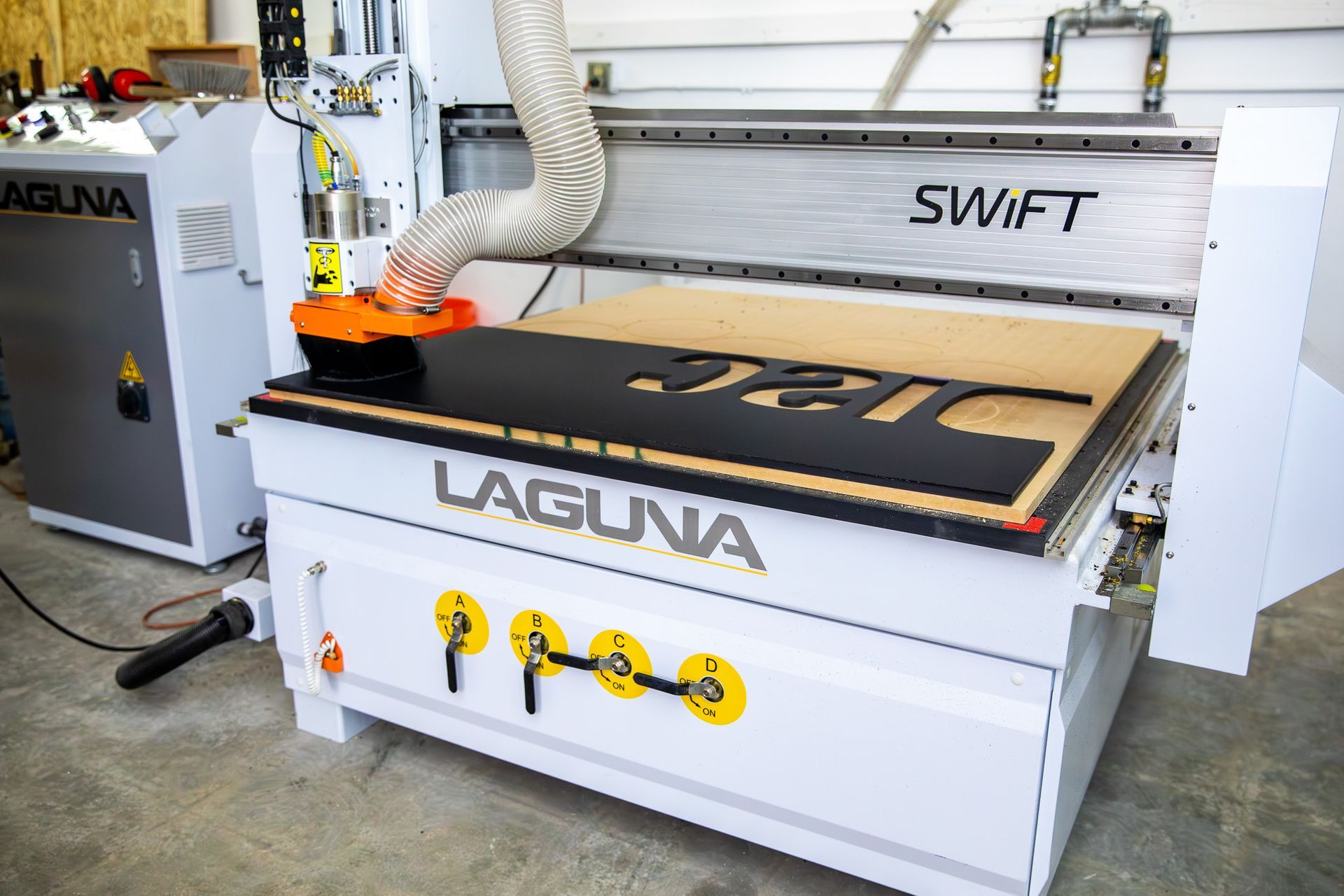
CNC router machine cutting a wooden sheet in a workshop, with a dust hose attached
April 22, 2026
Learn how to choose the right outdoor signage materials, including UV vinyl and weather-resistant substrates, to ensure long-lasting performance and durability.
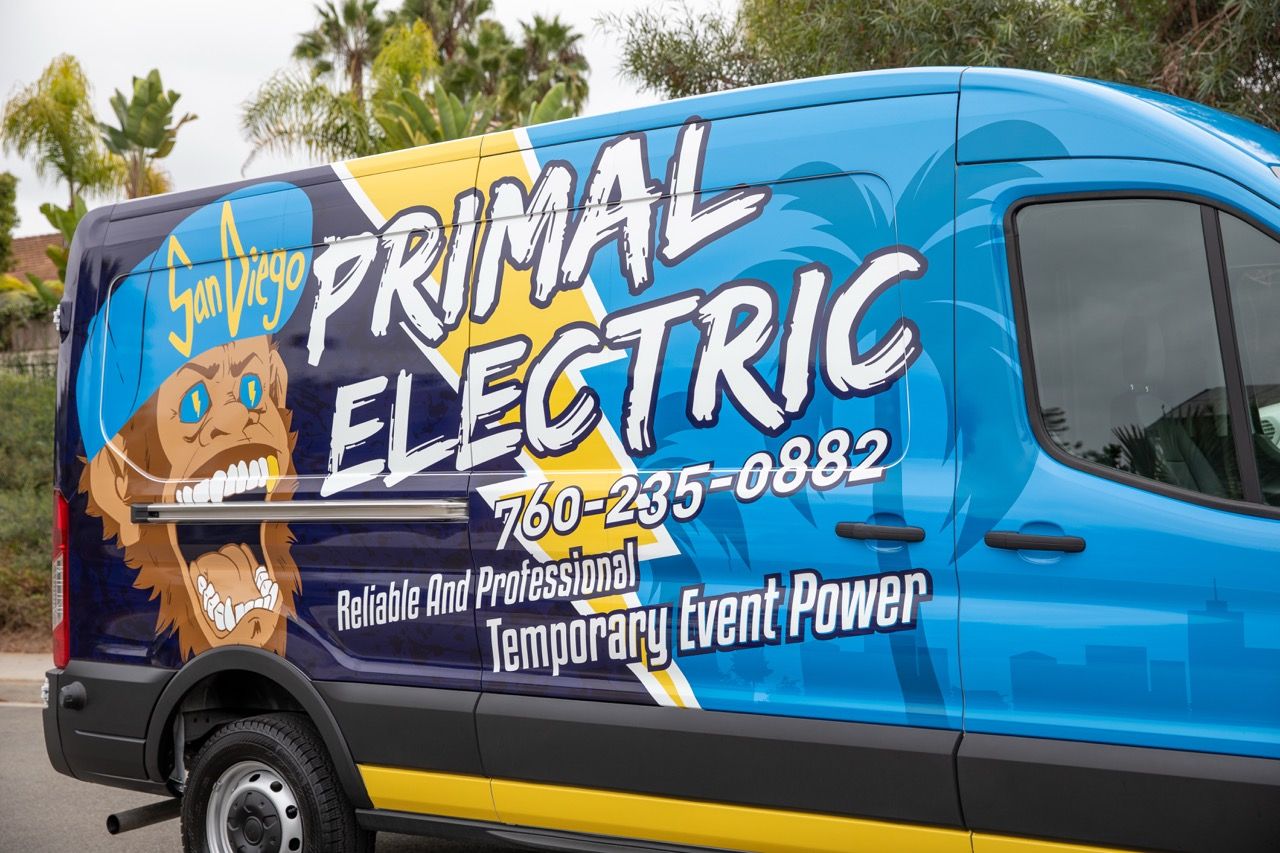
A professionally wrapped blue van featuring the Primal Electric logo and a cartoon primate
April 1, 2026
Compare vehicle wraps vs paint for business branding. Learn why custom wraps and fleet graphics offer better visibility, cost, and flexibility.
Sign Art Graphix sign in front of a palm tree and cityscape, at dusk.
February 12, 2026
Discover how custom business signs improve brand visibility, attract customers, and deliver long-term ROI for small businesses.
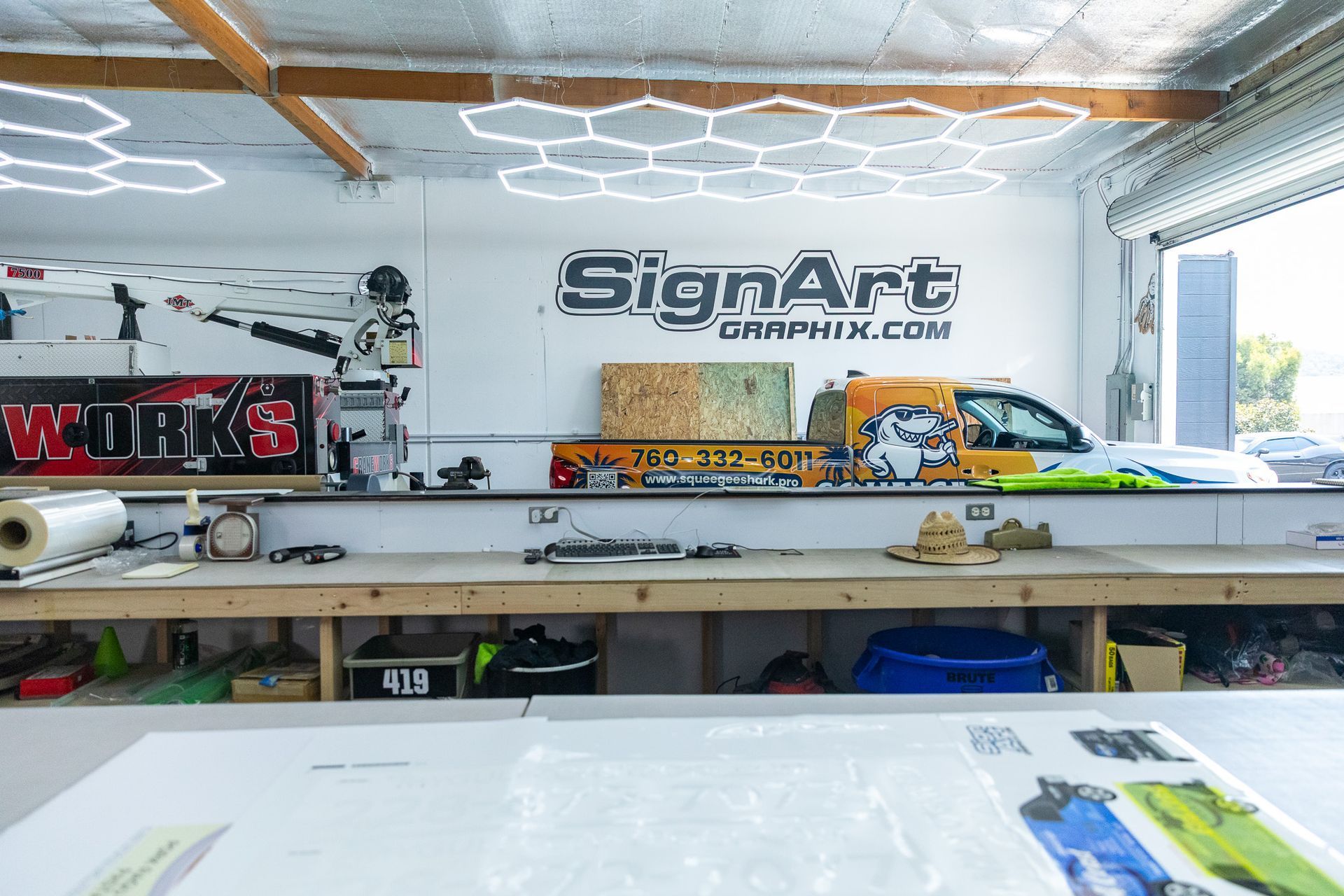
Inside a sign shop with a truck and equipment;
January 12, 2026
Explore the signage trends defining 2026, from clean design and vehicle wraps to durable materials and brand consistency.
White Urbach Roofing Inc. work truck with company logo parked outside. Residential & Commercial services.
December 19, 2025
Learn how car wraps deliver higher ROI than traditional advertising with lower cost per impression, long-term visibility, and powerful brand exposure.
Sign Art Graphix sign in front of a palm tree, with a street and sunset visible.
November 24, 2025
Learn how color psychology impacts signage design and influences customer behavior. Discover how SignArt Graphix helps you choose the perfect color palette.
Red canopy tent with white backdrop set up outdoors.
October 25, 2025
Design standout event signage for conferences, trade shows, and festivals. Get expert tips from Sign Art to boost visibility and engage your audience.
Sign Art business exterior with logo on a white building. A truck is parked nearby.
September 24, 2025
Discover how custom signs can boost your business image, attract more customers, and enhance curb appeal. SignArt creates signage that gets noticed.
June 16, 2025
When it comes to turning your company vehicle into a mobile advertisement, two options often come to mind: a custom paint job or a vinyl car wrap. Both can help brand your business and grab attention on the road, but they differ in terms of cost, durability, flexibility, and overall marketing impact. If you’re looking to enhance your vehicle for business use, understanding the pros and cons of each option will help you make the best choice. 1. Visual Impact and Design Flexibility Car Wraps: Wraps offer a high level of design flexibility. Intricate graphics, bold colors, gradients, and photo-quality images can all be achieved with digital printing. If your business needs a wrap that includes your logo, contact information, and promotional graphics, wraps allow you to display that detail clearly and creatively. Custom Paint Jobs: While a good paint job can look sleek and professional, it is more limited in terms of complexity. Reproducing detailed graphics or text is more difficult and costly. Paint is better suited to solid colors or simple designs, making it less ideal for modern, eye-catching branding efforts. Verdict: Wraps provide greater creative freedom and versatility for marketing-focused designs. 2. Cost and Budget Considerations Car Wraps: Wraps are generally more affordable than custom paint jobs, especially considering the ease with which they can be changed or updated. The cost will vary based on the size of the vehicle and the complexity of the design, but wraps are typically a more budget-friendly option for small businesses. Custom Paint Jobs: A high-quality, multi-color paint job can be significantly more expensive than a wrap. If changes are needed later, repainting the entire vehicle becomes costly and time-consuming. Verdict: Wraps are more cost-effective, especially for businesses with evolving branding needs or multiple vehicles. 3. Durability and Maintenance Car Wraps: Wraps are durable and can last between 5 and 7 years when properly maintained. They also protect the original paint from UV rays, minor scratches, and road debris. Cleaning is simple—just regular hand washing with non-abrasive soap. Custom Paint Jobs: Quality paint jobs can also be durable, but they are more susceptible to fading and chipping over time, particularly when exposed to sunlight and weather. Paint requires ongoing care and may need polishing or touch-ups to maintain its fresh appearance. Verdict: Wraps offer strong durability with less maintenance and also help preserve the vehicle’s original paint. 4. Time and Installation Car Wraps: Wrapping a vehicle takes significantly less time than painting. Most wraps can be installed within a few days, meaning your vehicle is off the road for a shorter period and back on the road advertising your business sooner. Custom Paint Jobs: Painting requires more preparation, drying time, and often multiple layers or coats. It could take a week or more before your vehicle is ready for use. Verdict: Wraps offer faster turnaround times, reducing downtime for business operations. 5. Reversibility and Resale Value Car Wraps: Wraps are completely removable without damaging the underlying paint (assuming proper installation). This is a significant advantage if you want to change your branding or sell the vehicle in the future. The original paint remains intact, helping retain resale value. Custom Paint Jobs: A custom-painted vehicle is permanent. If the color or design is particularly associated with your brand, it may make resale more challenging. Returning to a neutral look often requires repainting the entire space. Verdict: Wraps offer better long-term flexibility and help protect your investment. 6. Professional Appearance and Brand Recognition Car Wraps: With high-resolution images, bold colors, and consistent branding, a wrap can immediately identify your business and create a strong visual impression. It enhances professionalism and builds brand recognition wherever the vehicle goes. Custom Paint Jobs: Painted vehicles can also look polished, but without the detail and branding versatility of a wrap, they may not be as effective for advertising purposes. Verdict: Wraps are more impactful for businesses aiming to stand out and promote their services on the road. Conclusion While custom paint jobs have their place in automotive aesthetics, car wraps are the clear winner when it comes to business branding. They are cost-effective, visually dynamic, easy to update, and offer unmatched marketing potential. Whether you have a single company car or an entire fleet, investing in high-quality vehicle wraps is a smart way to put your brand in motion. If you’re ready to transform your vehicle into a rolling advertisement, contact us to start designing a wrap that fits your business, your budget, and your brand.